 Fire of Ethics
Home › 12 Qualities › Trust
8 of 12 · Load-bearing — what holds you among peopleTrust
Handing a task over and not standing over the person; taking a word without a pledge
What it looks like in life. Your daughter chose the week’s groceries herself — you did not call and did not correct her. You handed a task to a colleague and did not ask again before the deadline.
The boundary. Where the price of a mistake cannot be undone — health, safety, other people’s money — checking is not distrust but care.
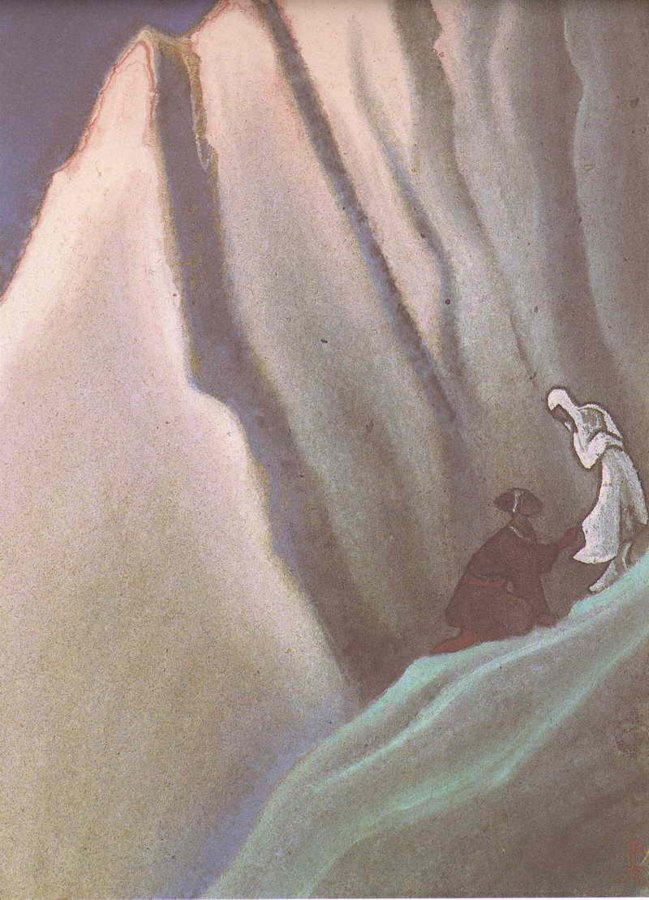
Handing over without standing over someone means giving them the task whole, together with the responsibility. The books this programme rests on say it plainly: without trust “there can be no advancement”. Trained in the ability to hand a task over and not ask again before the deadline, to take a word without a pledge — and not to poison yourself with suspicion.
On Day 9 of the course you hand a task to someone and do not check it before the deadline. That is trust. It is not naivety: you know in advance what you are risking, and you still hand the task over whole. Out of such trust, in time, faithfulness is built — as a mountain is built of rocks.
In the 30-day course this is Day 9 and Day 24.
Team, partnership, children. When a task is handed over without control, the person receives the responsibility whole and grows: they do their own work, not yours — and your time and attention are set free. Suspicion wounds both sides: the one who is checked does exactly as much as is checked.
How it shows: people stop asking you “are you sure I may?” — this is a direction, not a promise.
Ways to grow it
These are the tools of a season — 90 days with one quality after the 30-day course, if you wish. “A thought before the word” and two or three more ways of your choice — from here or from the common ones. The season map →
◆ — a method from the books of the Russian philosophical and ethical tradition this programme rests on (which books); ◇ — a working tool from modern practice. “The card’s minimum” — this way is the same as the quality’s minimum. Keep the card’s minimum in your season and this way is already yours; write your own and it is one to choose, like the others.
Free. 15–25 minutes a day; on a hard day, two. The first day is open in full, no sign-up.